Utility-scale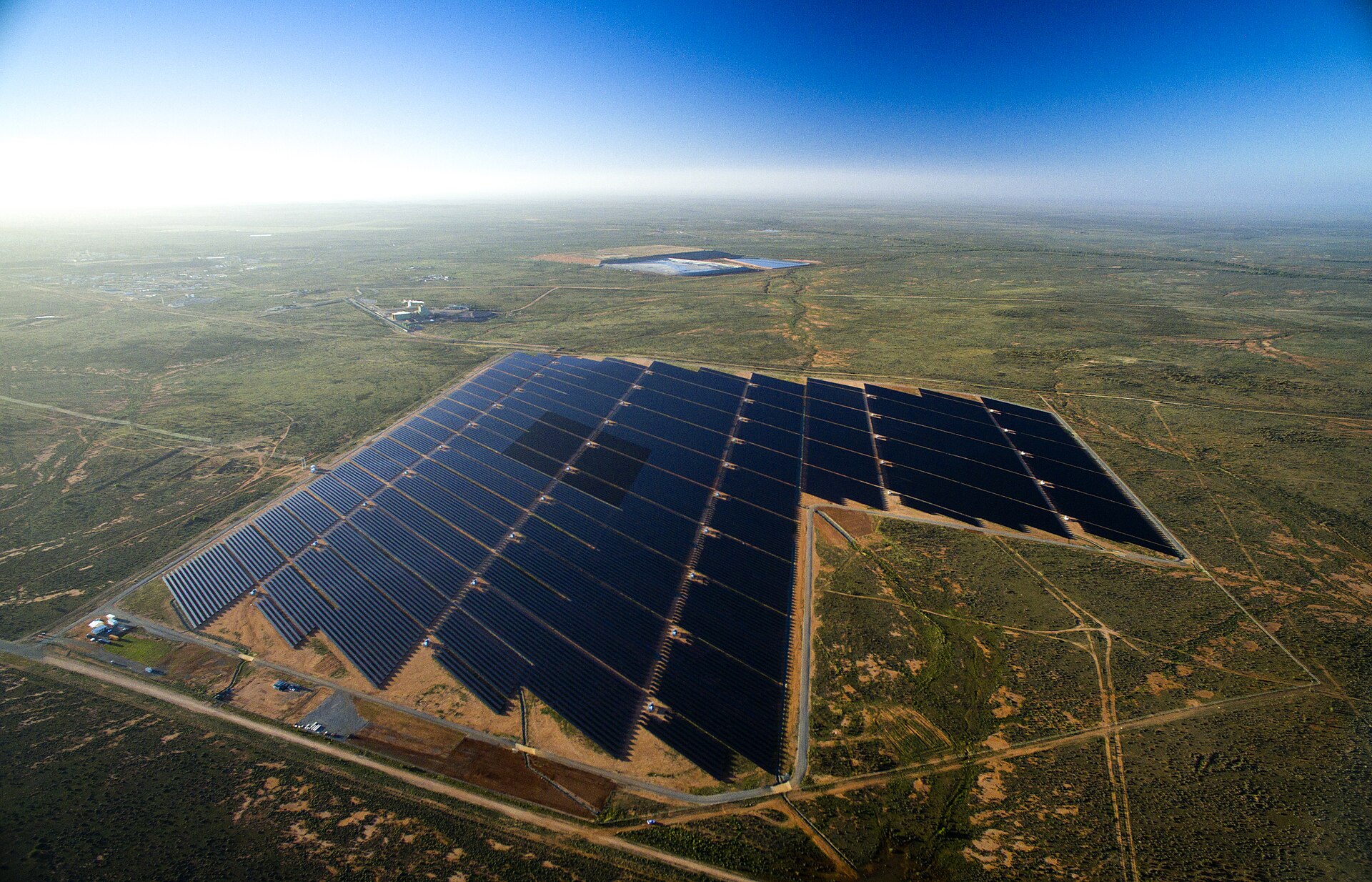 grid-connected, above ~30 MWUtility-scaleLarge grid-connected wind, solar and storage. Built to sell into the wholesale market, normally underpinned by a corporate PPA or a government revenue contract.Mid-scale
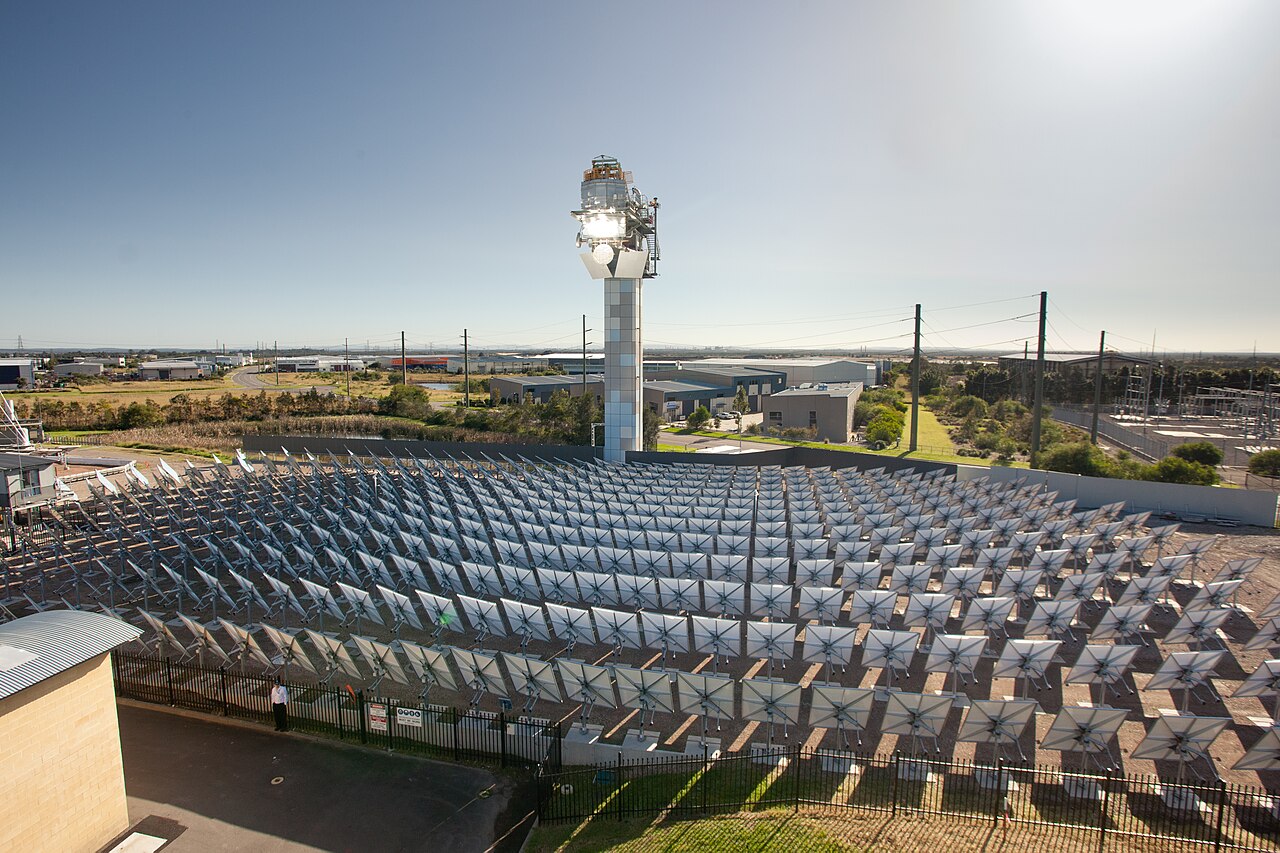 grid-connected, ~5–30 MWMid-scaleToo large for retail or balance-sheet finance, too small to clear an institutional transaction floor.Behind the meter
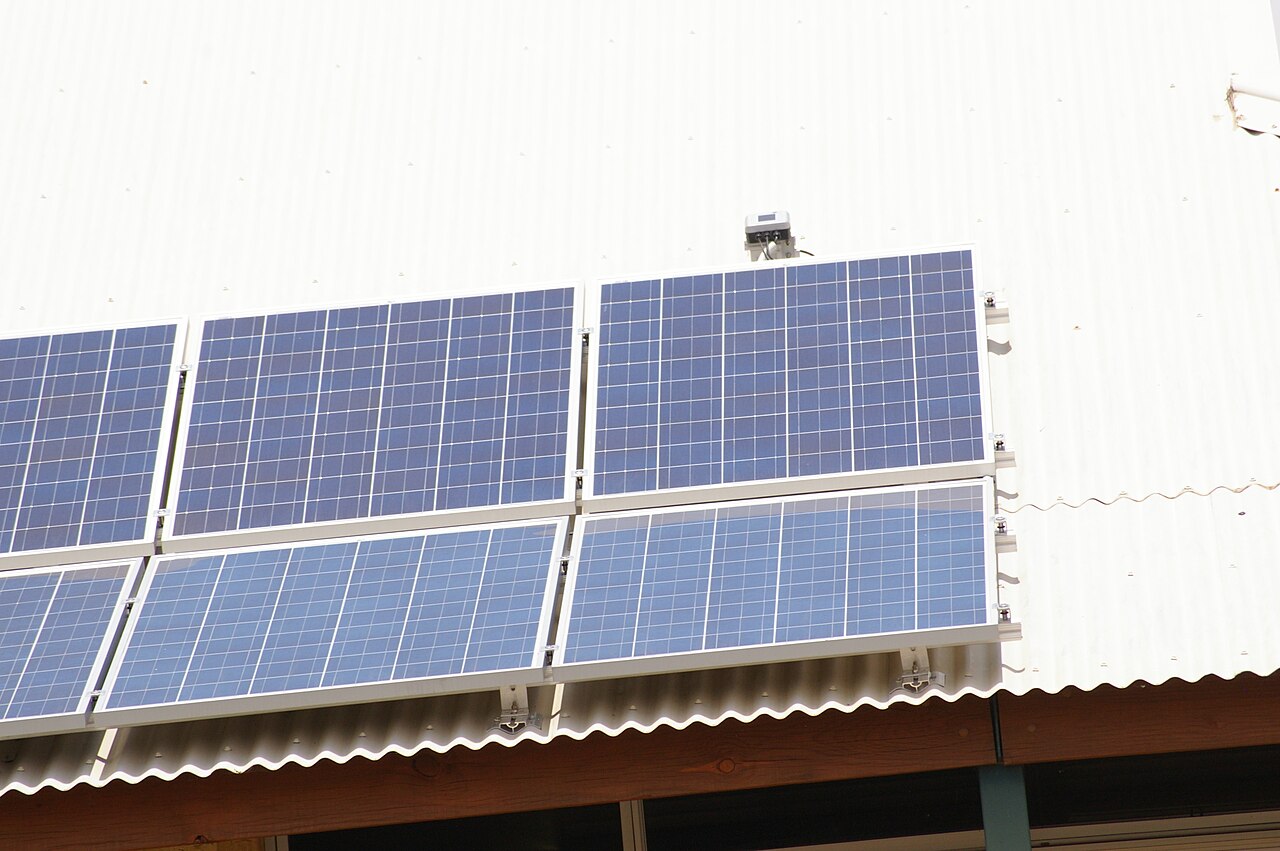 including microgridsBehind the meterGeneration and storage on the customer's side of the meter: rooftop and ground-mount solar, batteries and microgrids on homes, businesses, public buildings and land. Earns bill savings rather than an offtake.Community & First Nations
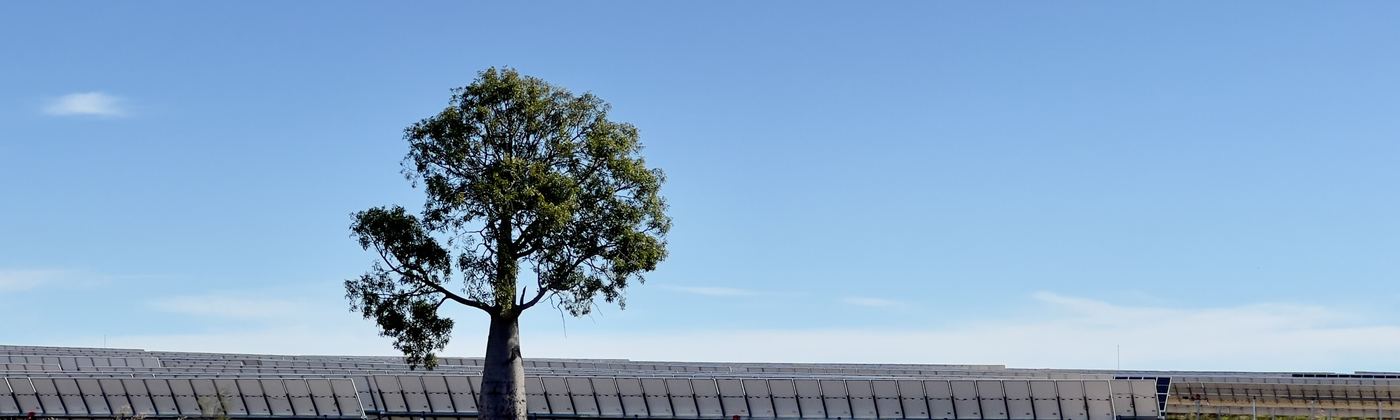 cuts across every scaleCommunity & First NationsProjects carrying community or First Nations ownership, equity or revenue participation. From a single microgrid to utility-scale partnerships.FOAK & climate tech
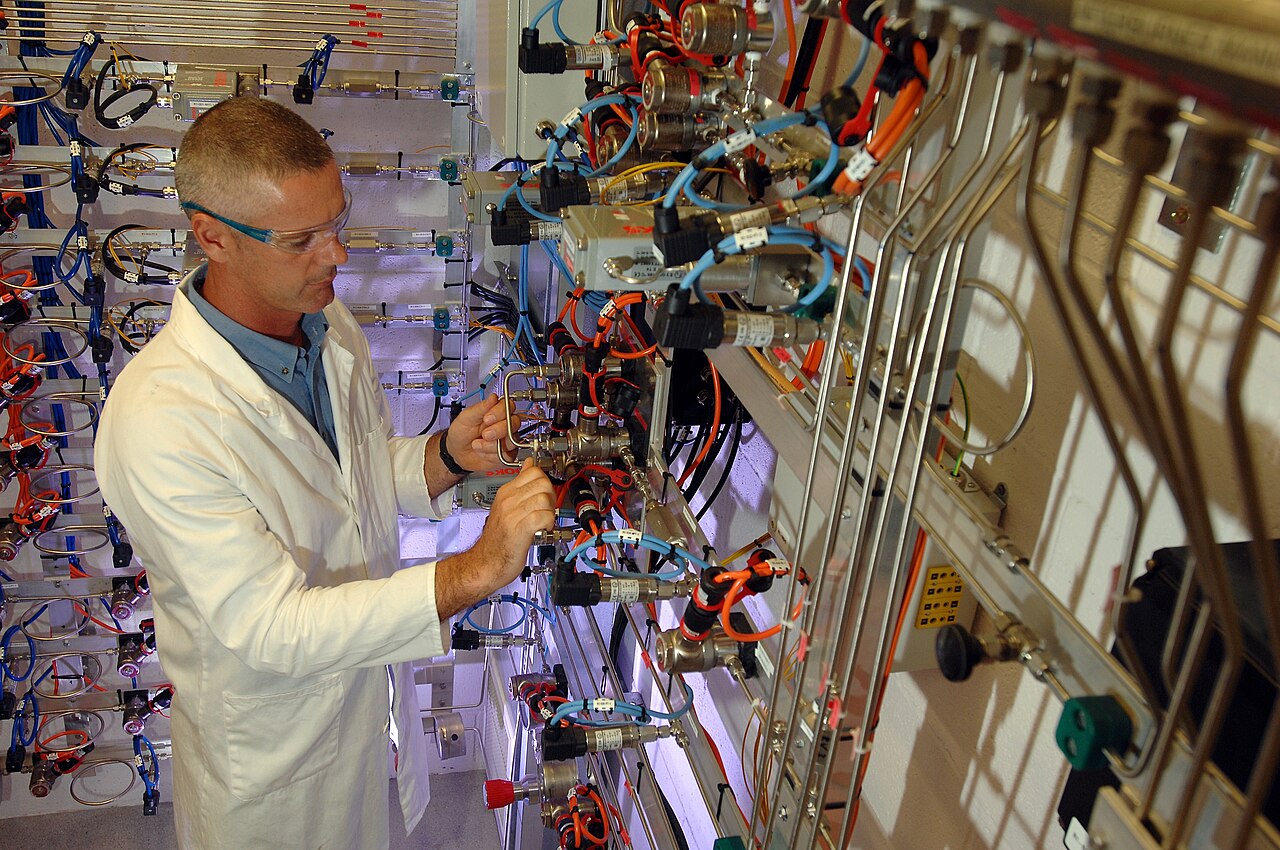 novel technologyFOAK & climate techTwo things that travel together. Climate tech is the startups, scale-ups and the venture investors backing them, building technologies that cut emissions. First-of-a-kind (FOAK) is the first commercial-scale build of one of those technologies after it has worked at pilot scale — a stage of development rather than a category of technology. A FOAK project is too capital-intensive and too technically unproven for venture capital, and too unproven for infrastructure and project finance, which is why it needs different help from the rest of what a startup faces. Here that means clean fuels, industrial electrification and long-duration storage, with no operating history for investors to price against.
grid-connected, above ~30 MWUtility-scaleLarge grid-connected wind, solar and storage. Built to sell into the wholesale market, normally underpinned by a corporate PPA or a government revenue contract.Mid-scalegrid-connected, ~5–30 MWMid-scaleToo large for retail or balance-sheet finance, too small to clear an institutional transaction floor.Behind the meterincluding microgridsBehind the meterGeneration and storage on the customer's side of the meter: rooftop and ground-mount solar, batteries and microgrids on homes, businesses, public buildings and land. Earns bill savings rather than an offtake.Community & First Nationscuts across every scaleCommunity & First NationsProjects carrying community or First Nations ownership, equity or revenue participation. From a single microgrid to utility-scale partnerships.FOAK & climate technovel technologyFOAK & climate techTwo things that travel together. Climate tech is the startups, scale-ups and the venture investors backing them, building technologies that cut emissions. First-of-a-kind (FOAK) is the first commercial-scale build of one of those technologies after it has worked at pilot scale — a stage of development rather than a category of technology. A FOAK project is too capital-intensive and too technically unproven for venture capital, and too unproven for infrastructure and project finance, which is why it needs different help from the rest of what a startup faces. Here that means clean fuels, industrial electrification and long-duration storage, with no operating history for investors to price against.No single instrument or reform unblocks all five archetypes. Each stalls at a different point, and none is served by government action alone.
Photographs: Broken Hill solar plant, New South Wales. Jeremy Buckingham, CC BY 2.0 · Solar array at the CSIRO Energy Centre. CSIRO, CC BY 3.0 · Rooftop solar, Western Australia. Parker D, CC BY 3.0 · Wandoan South Solar Farm, Queensland. Ed Dunens, CC BY 2.0 · A researcher at SynCat, CSIRO's synfuel and catalysis facility. Darryl Peroni, CSIRO, CC BY 3.0